The Best Foods to Fight Inflammation

Updated: Aug 23
And Why Your Kitchen Matters More Than You Think

Inflammation Isn't Always the Enemy
If you've spent much time reading about health and wellness, you've probably noticed that inflammation has become the villain in almost every conversation. It's blamed for weight gain, fatigue, aching joints, brain fog, heart disease, diabetes, and even aging itself. While some of those headlines oversimplify a very complicated subject, they aren't entirely wrong. Chronic inflammation has been linked to many of the diseases that become more common as we grow older. The encouraging news is that one of the most powerful places to begin supporting your body's natural defenses isn't found in the medicine cabinet—it's found in your kitchen.
One of the biggest surprises on my own health journey has been learning that inflammation itself isn't actually the enemy. In fact, it's one of the reasons our bodies survive. If you cut your finger while chopping vegetables or catch the flu, inflammation is part of your immune system's response. It helps deliver infection-fighting cells to damaged tissue and begins the healing process. Without inflammation, even small injuries could become life-threatening.
The problem begins when inflammation never fully turns itself off. Instead of responding to an injury and quietly fading away, low-grade inflammation can linger for months or even years. Researchers believe this persistent inflammation may contribute to conditions such as heart disease, Type 2 diabetes, arthritis, Alzheimer's disease, and many other chronic illnesses. While no single food can magically eliminate inflammation, the foods we choose every day can influence many of the biological processes that either encourage or calm it.
Build Your Plate Around Whole Foods
Perhaps the most important lesson I've learned is that healthy eating isn't about searching for one miraculous "superfood." It's about creating a pattern of eating that consistently gives your body what it needs. The foods that support healthy aging, heart health, and steady energy also happen to be many of the same foods associated with lower levels of chronic inflammation.
Extra Virgin Olive Oil: Liquid Gold
If there is one ingredient I never want to be without, it's extra virgin olive oil. Years ago, I believed healthy eating meant avoiding fat whenever possible. Today, I think much more about choosing the right fats than avoiding them altogether.
Extra virgin olive oil is rich in heart-healthy monounsaturated fats and naturally occurring antioxidants called polyphenols. These plant compounds have been widely studied for their ability to support cardiovascular health and reduce markers associated with inflammation. It's one of the hardest-working ingredients in my kitchen. I drizzle it over roasted vegetables, whisk it into homemade vinaigrettes, sauté vegetables with it, and finish grilled chicken with a light drizzle before serving.

Fill Your Plate with Color
Colorful fruits and vegetables deserve just as much attention. Every vibrant color in the produce section represents different plant compounds that help protect our cells from oxidative stress, one of the contributors to chronic inflammation.
Blueberries contain anthocyanins. Tomatoes are rich in lycopene. Carrots provide beta-carotene. Spinach offers lutein. Bell peppers are packed with vitamin C.
The old advice to "eat the rainbow" turns out to be surprisingly wise. The more variety we include on our plates, the more diverse the protective nutrients we're giving our bodies.
Don't Underestimate Leafy Greens
Leafy greens quietly do much of the heavy lifting when it comes to healthy aging. Spinach, kale, arugula, Swiss chard, romaine, and collard greens provide fiber, magnesium, potassium, folate, vitamin K, and countless phytonutrients that support overall health.
They're also remarkably versatile. Blend them into smoothies, toss them into soups, pile them under grilled chicken, or mix several varieties together for a colorful salad. The more often I keep fresh greens in my refrigerator, the more likely I am to eat them.
If you are enjoying this article, you may also enjoy:
📖 The Complete Anti-Inflammatory Diet for Beginners by Dorothy Calimeris & Lulu Cook ⭐⭐⭐⭐⭐Perfect for: Anyone looking for a simple, practical guide to reducing inflammation through everyday food choices. Includes meal plans, shopping lists, and approachable recipes.
📖 Outlive: The Science and Art of Longevity by Peter Attia, MD ⭐⭐⭐⭐⭐Perfect for: Readers who enjoy understanding the science of healthy aging, chronic inflammation, exercise, and nutrition.
📖 The Blue Zones Kitchen by Dan Buettner ⭐⭐⭐⭐⭐Perfect for: Learning how the world's healthiest, longest-lived populations eat—and how to bring those habits into your own kitchen.
📖 The Complete Mediterranean Cookbook by America's Test Kitchen ⭐⭐⭐⭐⭐Perfect for: Building an anti-inflammatory lifestyle with flavorful, easy-to-follow recipes centered on whole, nourishing foods.
Berries: Tiny But Powerful
Berries have become another staple in my kitchen. Blueberries, strawberries, raspberries, and blackberries offer an impressive combination of antioxidants and fiber while satisfying my sweet tooth naturally.
One of my favorite breakfasts is plain Greek yogurt topped with blueberries, walnuts, chia seeds, and a sprinkle of cinnamon. It feels indulgent while quietly nourishing my body.
Nuts and Seeds Pack More Nutrition Than You Think
Walnuts, almonds, pumpkin seeds, chia seeds, and flaxseed may be small, but they're nutritional powerhouses. They provide healthy fats, fiber, protein, magnesium, zinc, vitamin E, and omega-3 fatty acids.
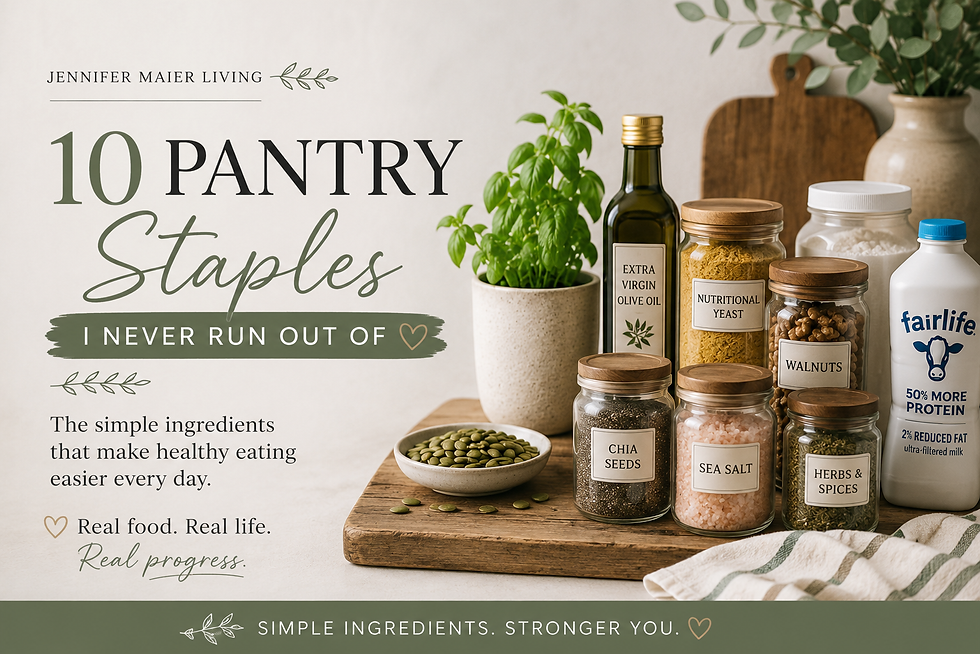
I keep nearly all of these stocked in my pantry because they're effortless additions to salads, yogurt, smoothies, or roasted vegetables. Sometimes healthy eating really is as simple as opening a jar and sprinkling a handful over your meal.
Beans Deserve More Attention
Beans and lentils are some of the most affordable foods in the grocery store, yet they provide remarkable nutrition. Rich in fiber and plant protein, they help support healthy blood sugar levels while feeding the beneficial bacteria living in our digestive tract.
Researchers continue discovering fascinating connections between gut health and inflammation, reminding us that taking care of our microbiome may influence far more than digestion alone.

Fatty Fish and Healthy Omega-3s
Salmon, trout, sardines, and mackerel have earned their reputation for good reason. They're among the richest dietary sources of omega-3 fatty acids, which help regulate inflammatory processes throughout the body.
If fish isn't something you enjoy regularly, walnuts, chia seeds, and flaxseed also contribute omega-3 fats. The important thing is finding ways to include healthy fats consistently rather than worrying about perfection.
Herbs and Spices Do More Than Add Flavor
One of the easiest ways I've found to eat more vegetables is simply to make them taste wonderful.
Garlic, ginger, turmeric, rosemary, oregano, basil, cinnamon, and black pepper all contain naturally occurring plant compounds that have been studied for their health-promoting properties.
Turmeric deserves a special mention because its active compound, curcumin, is absorbed much more effectively when paired with black pepper. It's one of those simple kitchen tips that's easy to remember and easy to use.
Green Tea Is Worth Considering
Green tea contains antioxidants known as catechins, which have been associated with heart health and metabolic wellness.
No single cup will transform your health overnight, but like so many healthy habits, its benefits come from consistency rather than perfection.
Foods That May Increase Inflammation
Just as some foods help support our body's natural balance, others are worth enjoying less often. Highly processed snack foods, sugary drinks, refined carbohydrates, processed meats, deep-fried foods, and excess added sugar have all been associated with higher levels of inflammation when they become regular parts of the diet.
That doesn't mean birthday cake is off limits forever. It simply reminds us that our overall eating pattern matters much more than what happens at one meal.
Why the Mediterranean Diet Keeps Showing Up
When researchers study eating patterns associated with longer life and lower rates of chronic disease, one approach appears repeatedly: the Mediterranean diet.
It emphasizes vegetables, fruits, beans, whole grains, olive oil, fish, nuts, seeds, herbs, and minimally processed foods. There are no miracle ingredients and no dramatic detoxes—just simple, nourishing foods enjoyed consistently over time.

Small Choices Add Up
Perhaps that's what encourages me most about healthy living. Lasting change rarely comes from one dramatic decision. It comes from ordinary choices repeated often enough that they become part of who we are.
Choosing olive oil instead of heavily processed fats. Adding spinach to your eggs. Sprinkling pumpkin seeds over a salad. Reaching for berries instead of cookies. Drinking water instead of another sugary beverage. Taking a walk after dinner.
None of those decisions seem life-changing on their own. But together, they quietly become the life you've built.
I've come to believe that fighting inflammation isn't about chasing the newest superfood or buying expensive supplements. It's about filling our kitchens with foods that consistently nourish our bodies and trusting that those small choices will continue paying dividends for years to come.
Healthy living has never been about perfection. It's about asking one simple question every day:
"What does my body need today?"



Comments