Magnesium Glycinate: The Quiet Multitasker Your Body May Be Missing

Updated: Aug 23
Often called “nature’s ibuprofen,” magnesium has become the go-to supplement for everything from poor sleep and stress to muscle cramps and migraines. But what can it genuinely do—and where does the science remain uncertain?
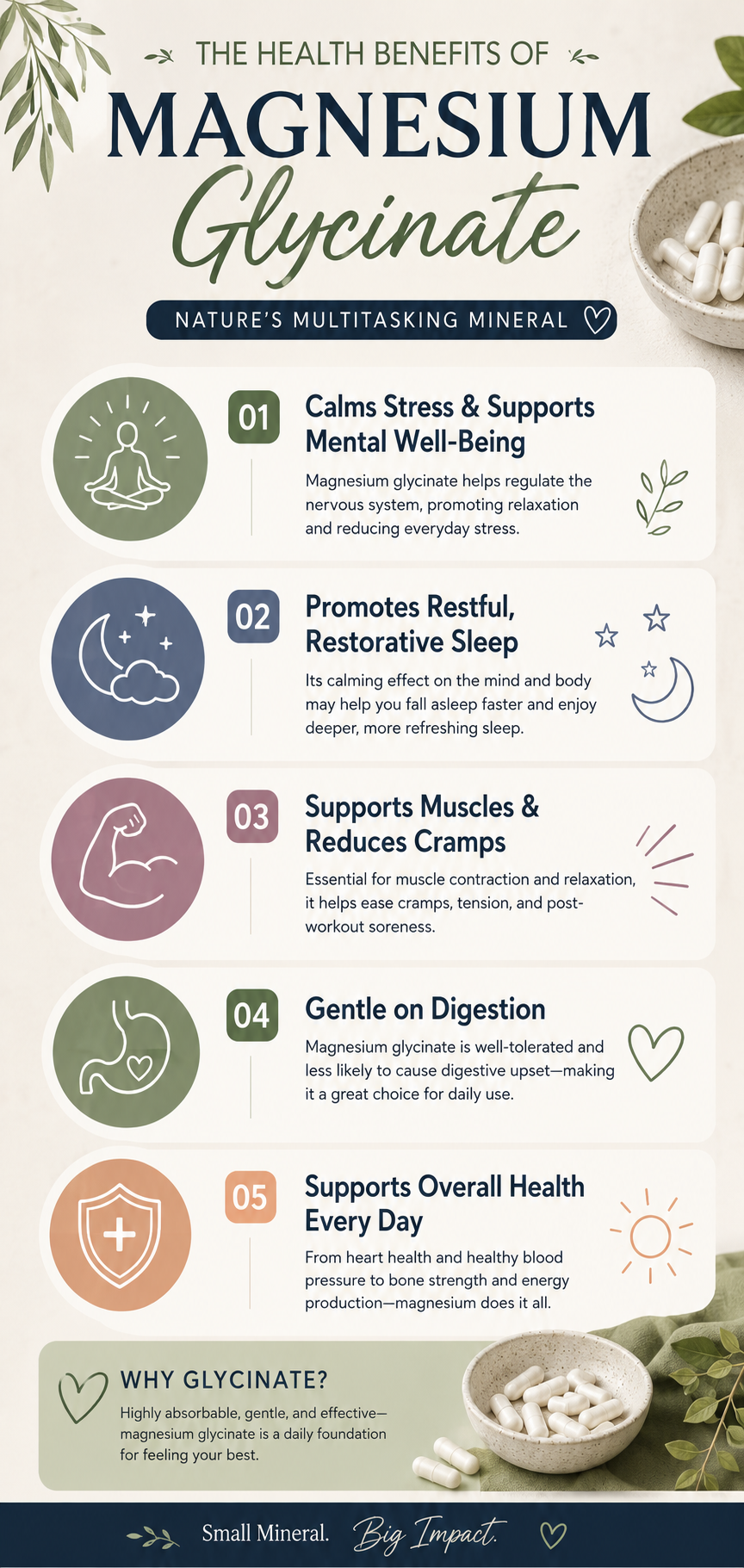
Magnesium glycinate has earned an almost mythical reputation in the wellness world. Scroll through social media long enough and you will see it described as the answer to restless sleep, anxiety, headaches, aching muscles, constipation, inflammation, blood-sugar problems and nearly every other complaint that makes modern life feel harder than it should. Some people even call magnesium “nature’s ibuprofen,” a memorable phrase that suggests this humble mineral can calm discomfort throughout the body without the drawbacks associated with conventional pain relievers.
That nickname is catchy, but it is not medically precise. Magnesium glycinate is not a natural replacement for ibuprofen, and it should not be treated as an anti-inflammatory medication or used in place of appropriate medical care. It does, however, support many of the systems that influence how we feel from day to day. When magnesium intake is inadequate, restoring it may improve symptoms that seem unrelated at first glance, including muscle cramps, low energy, poor sleep and headaches. That ability to work quietly behind the scenes in so many parts of the body is what makes magnesium less of a miracle cure and more of an essential biological multitasker.
What Magnesium Actually Does in the Body
Magnesium is involved in more than 300 enzyme systems that regulate chemical reactions throughout the body. It helps the body make proteins, produce and use energy, maintain normal muscle and nerve function, regulate blood glucose and blood pressure, support DNA production and maintain healthy bones. It also participates in the movement of calcium and potassium across cell membranes, a process that helps muscles contract, nerves communicate and the heart maintain a steady rhythm.
That is why magnesium-related symptoms can appear in several seemingly disconnected ways. A muscle twitch may not feel related to a restless night, just as constipation may not appear connected to fatigue or a migraine. Yet magnesium is participating in the systems behind all of them. It helps muscles contract and relax, supports the production of cellular energy, contributes to nervous-system regulation and plays a structural role in bone. It is not the sole explanation for any of these symptoms, but it is woven into an extraordinary number of the processes that keep the body functioning normally.
Magnesium glycinate—also called magnesium bisglycinate—is magnesium bound to the amino acid glycine. It is popular because it tends to be well tolerated and is generally less likely to produce the laxative effect associated with forms such as magnesium citrate or magnesium oxide. Glycine itself is involved in nervous-system signaling, which has led to the belief that magnesium glycinate may be especially calming. However, it is important to understand that much of the research into magnesium’s health effects has studied magnesium generally or has used other forms. We cannot automatically assume that every benefit associated with magnesium applies specifically or uniquely to magnesium glycinate.
Could Your Magnesium Intake Be Low?
Severe magnesium deficiency is uncommon in otherwise healthy people because the kidneys help conserve the mineral when intake drops. Mildly inadequate intake, however, is much more plausible. Many people simply do not eat enough of the foods that naturally contain magnesium. Early or nonspecific symptoms may include fatigue, weakness, muscle cramps, twitching, poor appetite, nausea or changes in how the nervous system feels and functions. More serious deficiency can cause abnormal heart rhythms, seizures, numbness or pronounced muscle contractions and requires medical attention.
People often associate low magnesium with poor sleep, anxiety, constipation or recurring headaches. Those concerns may justify looking more closely at magnesium intake, but they cannot diagnose a deficiency. Each can have many possible causes, including thyroid problems, anemia, medication effects, dehydration, hormonal changes, neurological conditions, depression, chronic stress or another nutritional deficiency. Magnesium should be considered one possible piece of the puzzle rather than the automatic answer.
Low magnesium status can develop because a person does not regularly eat magnesium-rich foods, because the digestive system is not absorbing nutrients properly or because the body is losing more magnesium than usual. People with certain gastrointestinal conditions, type 2 diabetes or alcohol dependence may be at greater risk. Some medications can also affect magnesium levels. Long-term use of proton-pump inhibitors has been associated with low magnesium in some patients, while certain diuretics may increase or decrease magnesium losses depending on the medication involved.
Heavy sweating may increase mineral losses, which is one reason athletes, outdoor workers and people exercising intensely in hot conditions may need to pay closer attention to their overall nutrition and hydration. Stress is frequently blamed for “depleting” magnesium, but the relationship is more complicated than social-media posts often suggest. Chronic stress may affect eating patterns, sleep and other behaviors that influence nutritional status, but feeling stressed does not by itself prove that someone needs a magnesium supplement.
Claims that coffee, carbonated drinks or salt automatically strip magnesium from the body should also be approached cautiously. Very high caffeine intake may affect mineral balance and can certainly worsen anxiety or sleep, but moderate coffee consumption does not automatically create magnesium deficiency. Carbonation itself is not a proven magnesium thief. The larger question is whether those drinks are replacing water or nutrient-rich foods and whether the person’s overall dietary pattern is supplying enough magnesium.

Do You Need a Blood Test?
It is sometimes said that there is no reason to test magnesium because most magnesium is stored inside cells and bones rather than circulating in the blood. It is true that a standard serum magnesium result does not provide a perfect picture of total body stores. Blood levels can remain within the normal range even when tissue stores are not ideal. However, that does not mean magnesium testing is never useful.
A healthcare professional may order a magnesium test when someone has persistent symptoms, an abnormal heart rhythm, significant gastrointestinal losses, kidney problems, diabetes, prolonged use of certain medications or another reason to suspect a clinically important deficiency. Testing may also help rule out severe deficiency and should not be dismissed when a clinician believes it is appropriate. For most generally healthy people wondering whether their intake is adequate, reviewing the diet with a registered dietitian may be a more practical first step than trying to diagnose deficiency from symptoms alone.
Start With Food First
Before reaching for a supplement bottle, it makes sense to look at what is already on your plate. Food provides magnesium alongside fiber, protein, healthy fats, vitamins and other minerals that work together in ways a single supplement cannot reproduce.
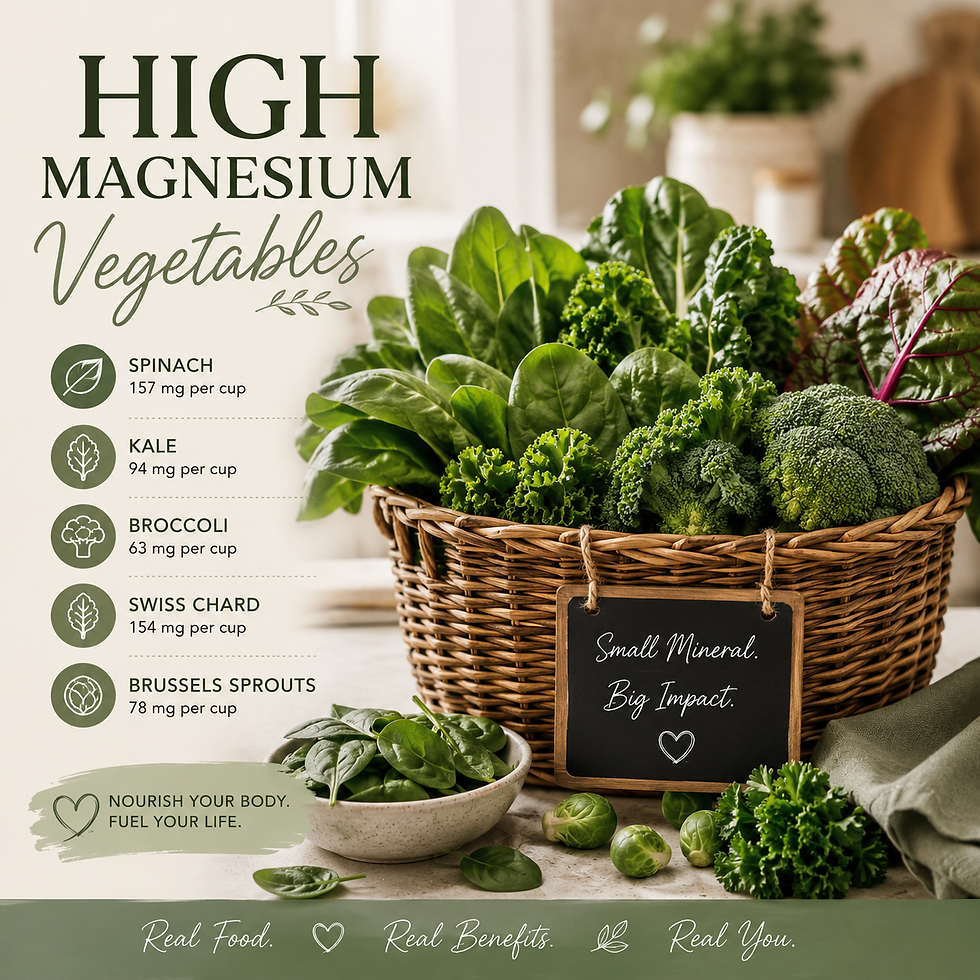
Pumpkin seeds are among the richest food sources, and chia seeds and almonds are also excellent choices. Leafy greens such as spinach and kale provide magnesium because the mineral sits at the center of the chlorophyll molecule that gives plants their green color. Beans, whole grains, cashews, peanuts, soy foods and some fortified foods can also make meaningful contributions.
For women age 31 and older, the recommended dietary allowance is 320 milligrams per day. That does not mean every woman needs to take a 320-milligram supplement. The recommendation includes magnesium obtained from food and beverages, and many people can meet a substantial portion of their needs through diet.
A food-first day might include chia seeds stirred into yogurt, almonds as part of a snack, leafy greens in a salad, beans with dinner and a sprinkle of pumpkin seeds over vegetables or yogurt. These are small additions, but magnesium works best as part of an overall nourishing diet rather than as a single nutrient asked to compensate for everything else that is missing.
Magnesium Glycinate and Sleep
Sleep is one of the main reasons people buy magnesium glycinate. The theory makes sense: magnesium participates in nervous-system regulation and muscle relaxation, and inadequate magnesium could make restful sleep more difficult. Some studies have found improvements in subjective sleep quality, insomnia symptoms or sleep duration, particularly among older adults or people whose magnesium status may have been low.
The evidence, however, is not strong enough to say that magnesium glycinate is a reliable sleep treatment for everyone. A 2024 review concluded that supplemental magnesium may be useful for mild anxiety and insomnia, especially among people with low magnesium status, but also emphasized limitations in the existing studies. A 2025 randomized trial of magnesium bisglycinate reported a modest improvement in insomnia severity among adults with poor sleep, while calling for longer studies and better measures of baseline magnesium intake.
The word modest matters. Magnesium may take the edge off for some people, particularly when inadequate intake is part of the problem, but it is unlikely to overcome untreated sleep apnea, severe anxiety, persistent pain, medication side effects, hot flashes, an inconsistent sleep schedule or large amounts of late-day caffeine. It may support sleep, but it does not replace good sleep habits or medical evaluation when insomnia persists.

Stress, Anxiety and Mental Health
Magnesium is sometimes referred to as the relaxation mineral because of its role in nerve signaling and the body’s stress-response systems. Some people report feeling calmer after taking magnesium glycinate, and limited research suggests supplemental magnesium may improve mild anxiety in certain populations. Yet studies vary widely in the type of magnesium used, the dosage, the duration and the people being studied.
It is reasonable to consider magnesium as supportive nutrition, particularly when a person’s intake is low. It is not reasonable to present it as a treatment for an anxiety disorder, major depression or another mental-health condition. Someone experiencing persistent anxiety, panic, severe insomnia or changes in mood deserves more than a supplement recommendation. Magnesium can sit beside appropriate care, but it should not replace it.
Muscle Cramps, Exercise and Recovery
Because magnesium helps regulate muscle contraction and relaxation, it is easy to understand why people reach for it when they experience cramps, twitches or post-exercise soreness. Someone who is magnesium deficient may notice an improvement after restoring adequate intake. Athletes and heavy exercisers may also need to be more intentional about replacing fluids, electrolytes, protein and carbohydrates after demanding activity.
Still, not every muscle cramp means magnesium is low. Cramps can also be associated with fatigue, dehydration, changes in activity, nerve compression, circulation problems or other electrolyte imbalances. Magnesium glycinate may be worth discussing when cramps are recurring and dietary intake appears low, but it should not become an excuse to ignore persistent pain, weakness, swelling or neurological symptoms.
Magnesium is also not a substitute for protein after exercise. Magnesium helps the machinery of the body work, but protein provides the amino acids needed to repair and maintain muscle tissue. For healthy aging and recovery, the two nutrients have different but complementary jobs.
Migraines and Headaches
Migraines are one of the areas where magnesium has some of its more promising clinical evidence. Research suggests that some people with migraine may have altered magnesium status and that oral magnesium may help reduce the frequency or intensity of attacks in certain cases. The evidence is not universal, and the form and dosage studied may not be magnesium glycinate.
Anyone experiencing new, unusually severe or changing headaches should seek medical evaluation rather than assuming magnesium is the answer. For people with an established migraine diagnosis, magnesium may be one part of a prevention plan developed with a healthcare professional. It should be discussed alongside prescribed treatment, sleep, hydration, meal patterns and known migraine triggers.
Disclosure: This post may contain affiliate links. If you purchase through these links, I may earn a small commission at no additional cost to you. I only recommend products I personally use or genuinely believe in. Thank you for your support.
Blood Pressure, Blood Sugar and Insulin Resistance
Magnesium is involved in blood-pressure regulation and glucose metabolism, and people with type 2 diabetes are among those more likely to have low magnesium status. Some research has found that supplementation can produce small improvements in blood pressure or measures of insulin sensitivity, particularly in people with inadequate magnesium intake or existing metabolic problems.
That does not make magnesium a treatment for hypertension or diabetes. A supplement should never replace blood-pressure medication, diabetes medication, regular monitoring, physical activity or dietary changes recommended by a clinician. Its role is better understood as correcting an insufficiency that may be making the body’s regulatory systems work less efficiently.

Bone Health and Osteoporosis
Approximately half to a little more than half of the body’s magnesium is stored in bone, which makes the mineral relevant to skeletal health. Magnesium contributes to bone structure and interacts with processes involving calcium and vitamin D. Low dietary magnesium intake has been associated with poorer bone health in some observational research, but association does not prove that a magnesium supplement prevents fractures or treats osteoporosis.
Women after menopause need to think about bone health as a complete picture that includes adequate protein, calcium, vitamin D, resistance training, weight-bearing activity, fall prevention and appropriate medical screening. Magnesium belongs in that conversation, but it is not the whole conversation.
PCOS, Fertility and Hormonal Health
Magnesium is sometimes promoted for polycystic ovary syndrome because PCOS is frequently associated with insulin resistance, and magnesium participates in insulin signaling and glucose metabolism. Some small studies have explored whether magnesium, alone or combined with other nutrients, can improve metabolic markers in women with PCOS. The results are not yet convincing enough to consider magnesium a proven PCOS or fertility treatment.
In fact, a 2025 meta-analysis of six studies found no significant overall improvement in the cardiometabolic or hormonal measures studied among women with PCOS. It is therefore safer to say that meeting magnesium needs supports general metabolic health, which may be relevant for someone with PCOS, than to say magnesium improves fertility or treats the condition. Women concerned about irregular cycles, fertility or possible PCOS should seek an individualized evaluation rather than relying on a supplement promoted online.
Is Magnesium Glycinate Really Anti-Inflammatory?
Magnesium status is connected with many processes involved in immune and inflammatory regulation, and inadequate intake has been associated with higher levels of certain inflammatory markers. That does not mean a capsule of magnesium glycinate works like ibuprofen or provides immediate pain relief.
Ibuprofen directly inhibits enzymes involved in the production of prostaglandins, which contribute to pain and inflammation. Magnesium is a nutrient that supports normal physiology. The two are not interchangeable. Calling magnesium “nature’s ibuprofen” may be a useful attention-grabbing phrase, but it overstates what the supplement has been proven to do.
A more accurate description would be:
Magnesium is a foundational mineral that may help the body function better when intake is inadequate.
That is less dramatic, but it is also far more useful. It helps people understand why the supplement can feel life-changing for someone who truly was not getting enough, while doing very little for someone whose magnesium status was already adequate and whose symptoms have another cause.
Before Taking a Supplement
Magnesium from food is considered safe for healthy people. Supplemental magnesium is different because concentrated doses can cause diarrhea, nausea and abdominal cramping. The adult upper limit for magnesium from supplements and medications is 350 milligrams per day unless a healthcare professional recommends otherwise. That limit does not include magnesium naturally present in food.
The number on the front of a bottle can also be confusing. Look for the amount of elemental magnesium listed in the Supplement Facts panel, not merely the total weight of the magnesium-glycinate compound.
Magnesium supplements can interact with certain antibiotics, osteoporosis medications and other medicines. They may need to be taken several hours apart. People with impaired kidney function should not begin magnesium supplementation without medical guidance because the kidneys are responsible for clearing excess magnesium from the body.
The Bottom Line
Magnesium glycinate is not a cure-all, and it is not truly nature’s ibuprofen. It will not single-handedly correct poor sleep, chronic anxiety, migraines, high blood pressure, insulin resistance, osteoporosis, PCOS or every aching muscle. Some of the strongest claims made about it still reach beyond the science.
But magnesium itself is essential. It participates in hundreds of reactions, helps the body produce energy, supports muscles and nerves, contributes to bone health and assists in regulating blood sugar and blood pressure. For someone whose intake has been consistently low, bringing magnesium back into an adequate range may produce meaningful improvements in how the body feels and functions.
The wisest place to begin is not with the supplement aisle but with the grocery cart. Add pumpkin seeds, chia seeds, almonds, beans, whole grains and leafy greens. Consider asking a registered dietitian to help you estimate your intake. Then, when food alone is not enough or a healthcare professional believes supplementation may be useful, magnesium glycinate can be considered for what it truly is: not a miracle and not a replacement for medicine, but a well-tolerated form of an important mineral that quietly helps the body perform an astonishing amount of work.
This article is for educational purposes and is not medical advice. Consult a qualified healthcare professional before beginning a supplement, particularly if you have kidney disease, take prescription medications, are pregnant or are being treated for a chronic health condition.




Comments