10 Habits of Women Who Age More Slowly

Updated: Aug 23
The everyday choices that protect their energy, strength and enjoyment of life

Some women seem to carry age differently. It is not necessarily because they have fewer wrinkles, unlimited money or access to some miraculous cream. There is simply an aliveness about them. They remain interested in the world, comfortable in their own skin and willing to keep participating in life. They have energy for the people they love, but they have also learned not to give every bit of that energy away.
Aging slowly does not mean refusing to age. It means caring for yourself in ways that help preserve your strength, curiosity, confidence and sense of possibility. Genetics and circumstances certainly matter, and no collection of habits can guarantee how any of us will age. Still, the choices we repeat have a way of accumulating. The women who appear to age well often practice many of the following habits—not perfectly, but consistently.
1. They protect their sleep
Women who age well do not treat rest as something they must earn after every task has been completed. They understand that there will always be another load of laundry, another email or another problem waiting for attention. Eventually, they learn to put the day down.
Sleep supports nearly every part of our well-being, including energy, concentration and emotional steadiness. Protecting it may mean keeping a regular bedtime, putting the phone away or declining one more obligation. Rest is not laziness, and you do not have to solve every problem before you are allowed to put your head on the pillow.
2. They keep moving
They may walk, garden, swim, stretch, lift weights or dance in the kitchen. The activity itself can change with age, ability and circumstance. What matters is that movement remains part of their lives.
Women who age well are not necessarily exercising to make themselves smaller. They move because they want to remain strong enough to carry their groceries, climb the stairs, travel, play with grandchildren and get up from the floor without fear. Movement becomes less about punishment and more about protecting independence.
3. They eat to nourish themselves
They do not spend their lives swinging between strict rules and complete surrender. They pay attention to the foods that help them feel satisfied, clearheaded and energized. They make room for protein, vegetables, fruit, fiber and water while still allowing food to be pleasurable.
This is not about achieving a flawless diet. It is about making more choices from self-respect than from guilt. One nourishing meal will not transform a life, just as one indulgent meal will not ruin it. The pattern matters more than the exception.

4. They protect their skin from the sun
Expensive skincare cannot undo every effect of years spent without protection. Women who age well often understand that prevention is quieter and less glamorous than correction, but far more dependable.
They use sunscreen, seek shade and wear hats or protective clothing when appropriate. They may enjoy skincare and makeup, but they do not expect a jar to stop time. They care for their skin because it belongs to them—not because they believe aging is a flaw that must be erased.
5. They pay attention to their health
They do not ignore every symptom and hope it disappears. They keep regular appointments, stay informed about recommended screenings and ask questions when something changes.
This does not mean becoming consumed by every ache or frightening yourself with information found online. It means developing an honest relationship with your body. You are allowed to notice when something does not feel right, seek professional guidance and take your own concerns seriously.
6. They refuse to make chronic stress their identity
Some seasons are genuinely difficult. There may be work demands, caregiving, financial pressure, grief or family responsibilities that cannot simply be removed. But women who age well eventually recognize that living in a permanent state of urgency carries a cost.
They stop wearing exhaustion as proof of their importance. They look for small ways to lower the pressure, ask for help and create breathing room. They understand that being capable does not obligate them to carry everything.

7. They nurture meaningful relationships
They make room for people who allow them to be honest, relaxed and fully themselves. Their lives are not measured by the number of contacts in their phone or invitations on their calendar. A few dependable relationships can be more nourishing than a crowded social life filled with obligation.
They also become more discerning. They stop chasing people who consistently leave them feeling depleted, dismissed or inadequate. Connection matters, but so does the quality of that connection.
8. They remain curious
Women who seem younger than their years are often still interested in something. They read, learn, create, travel, volunteer, try recipes, take classes or begin projects without demanding that they become experts.
Curiosity keeps life from becoming a repetition of old roles. It reminds a woman that she is still capable of surprise and growth. There is always something else to discover—not only about the world, but about herself.
9. They protect their time
This may be the habit that makes the others possible. A woman can know that she needs sleep, movement, nourishing food and meaningful relationships, but that knowledge will not help if every hour of her life belongs to someone else.
Women who age well learn to pause before automatically saying yes. They begin asking whether a responsibility is truly theirs, whether a tradition still serves them and whether helping someone requires abandoning themselves. Their boundaries may disappoint people who benefited from having none, but those boundaries also protect the energy required to remain well.
10. They choose consistency over perfection
They miss walks, stay up too late and occasionally agree to things they regret. They are human. What distinguishes them is not perfection but their willingness to return to themselves.
They do not decide that one difficult week has erased everything they have accomplished. They adjust when their bodies, responsibilities or priorities change. Rather than waiting for the perfect Monday, month or season, they make the next reasonable choice available to them.
Healthy Aging Requires Room for You
Most of us already know that sleep, movement, nutrition and stress management matter. The harder question is whether we have created a life in which caring for ourselves is actually possible.
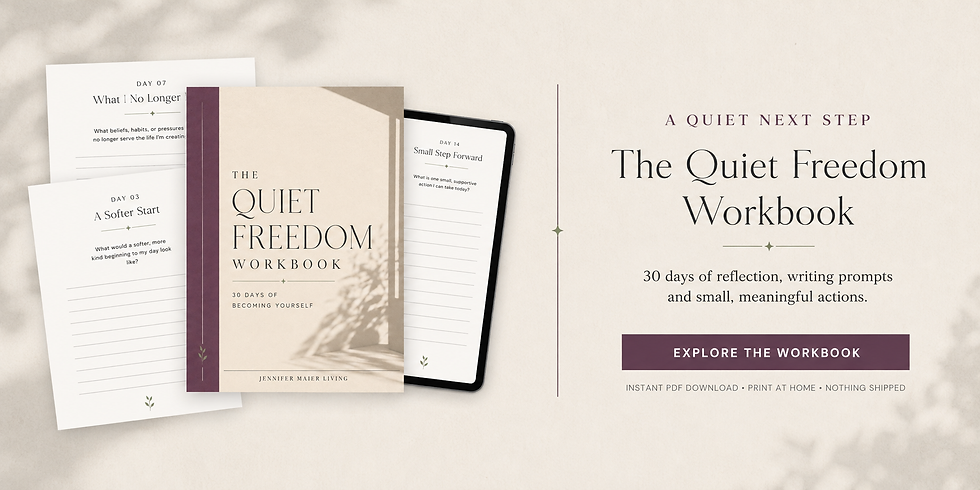
That is where The Quiet Freedom Workbook becomes part of this conversation. It is not a medical program, and it does not promise to slow or reverse aging. It is a 30-day guided workbook designed to help you examine the expectations, guilt and outdated roles that may be consuming your time and energy. Through thoughtful prompts and small daily actions, it helps you consider what you are carrying, why you are carrying it and what you may finally be ready to release.
Because sometimes the obstacle is not that you do not know what would make you feel better. You know you need more rest. You know you want to walk, schedule the appointment or spend time doing something that belongs only to you. The obstacle is the quiet belief that everyone else must be taken care of first.
Aging well is not about desperately holding on to the woman you used to be. It is about caring for the woman you are now—and making room for the woman you are still becoming. The goal is not to avoid every visible sign of time. It is to remain present, capable, interested and increasingly free as the years unfold. That may be the most beautiful way to age of all.


Comments